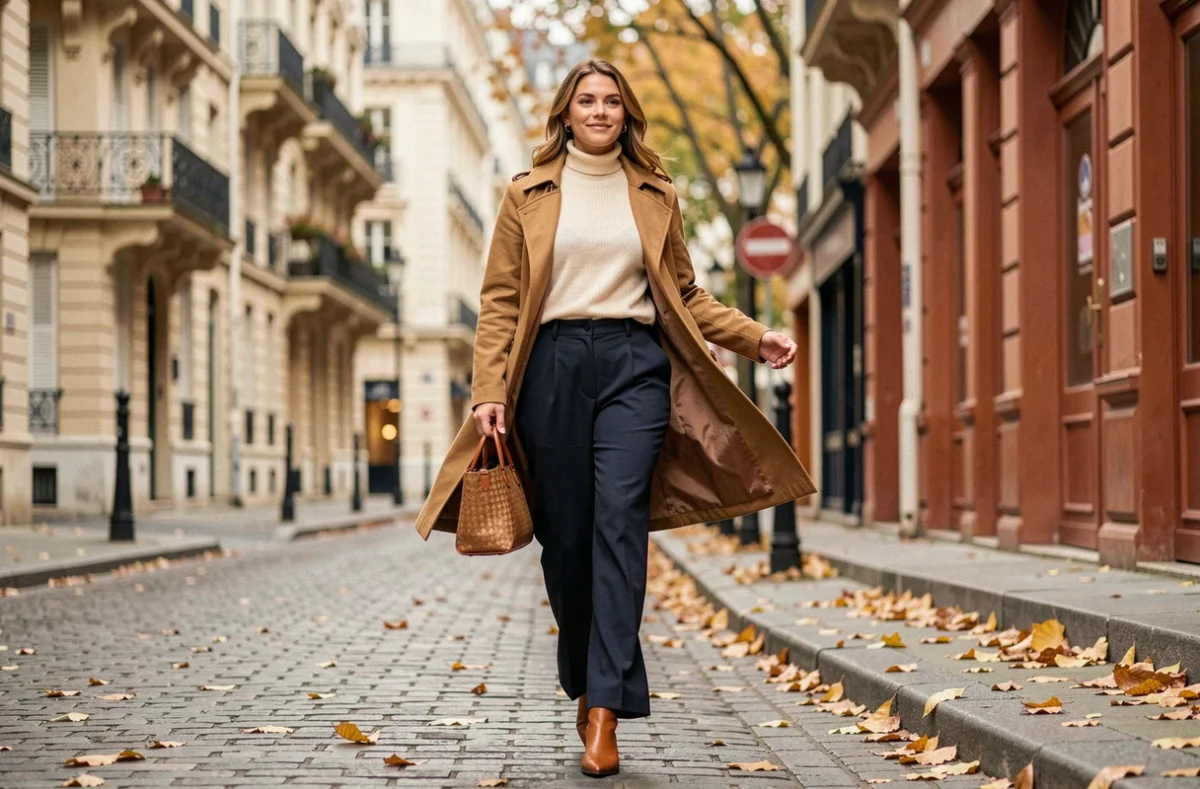
The spring-summer and autumn-winter 2026 fashion shows have set clear directions, but the French regulatory context is also reshaping what “following a trend” concretely means. Law No. 2026-602 of July 8, 2026, introduces a penalty in the extended producer responsibility system for brands that multiply references without encouraging repair. Adopting a stylish look this season also means choosing pieces whose lifespan justifies the purchase.
Anti-fast fashion law 2026: what changes for your fashion purchases
Since September 1, 2026, the penalty provided by Law No. 2026-602 financially penalizes brands whose model relies on ultra-rapid collection turnover. The mechanism targets the extended producer responsibility system: the more references a brand puts on the market without offering repairability, the higher its contribution increases.
The next step is coming quickly. Starting January 1, 2027, advertising for ultra-fast fashion will be banned, including promotions through influencers. Content recommending a piece will need to incorporate the question of the frequency of renewal and the repairability of the concerned brand.
At the same time, the European framework applicable since July 19, 2026, prohibits the destruction of certain categories of unsold new products. Second-hand, clearance, and refurbishment circuits are gaining visibility. This regulatory convergence is pushing fashion trends towards pieces designed to last several seasons, which directly influences wardrobe choices.
To keep up with these developments while finding current pieces, platforms like leroyaumedelamode.fr allow you to spot clothing that aligns with trends without sacrificing style longevity.
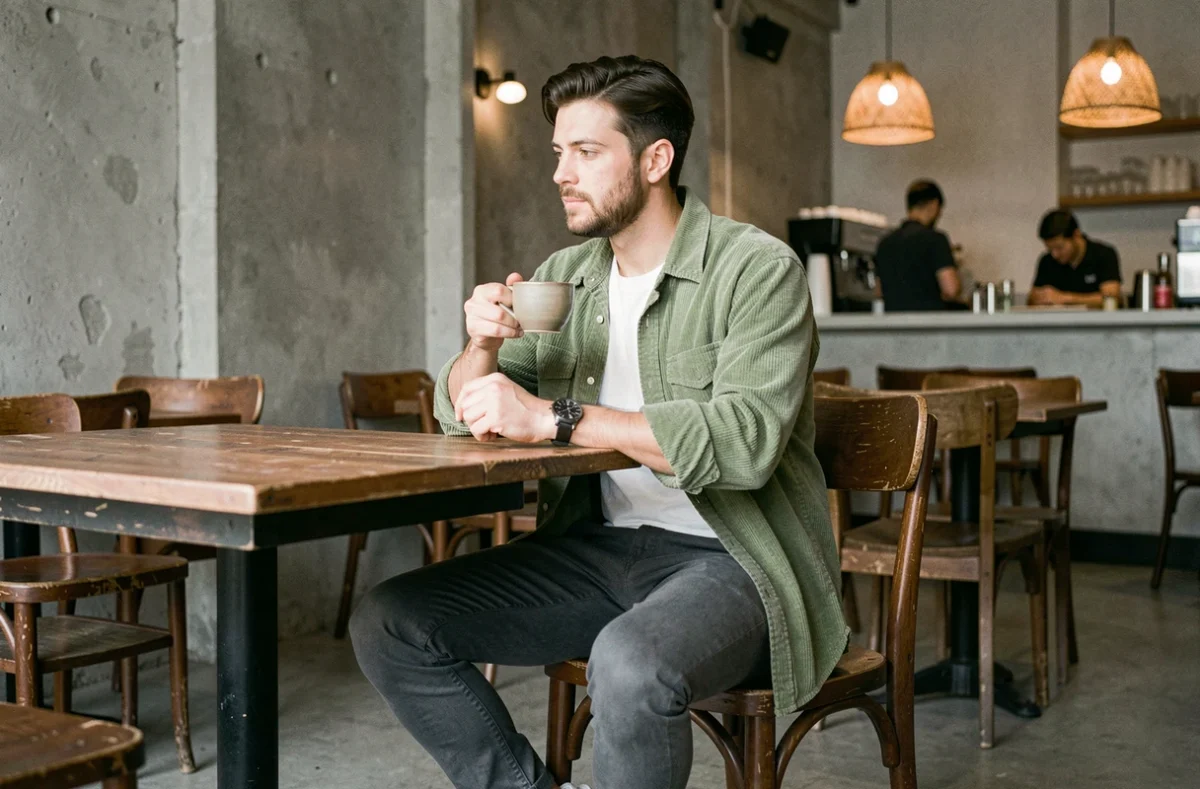
Trendy materials and colors for autumn 2026: sustainable choices that hold up
The autumn-winter 2026 runways confirm the return of leather, but the question of material takes on a new meaning when the legislative framework favors repairability. A well-maintained genuine leather jacket can easily last a decade. A low-quality faux leather, renewed every season, falls squarely within the penalty’s sights.
Bordeaux, chocolate, and ecru: the seasonal palette
Bordeaux is establishing itself as the key color for the fall 2026 season. Chocolate and ecru function as modern neutrals, replacing black and gray in everyday combinations. Khaki complements this range with a more casual tone.
These shades share a practical advantage: they combine effortlessly with each other. Chocolate pants, an ecru sweater, and a bordeaux blazer create a complete outfit without a disposable flashy piece. This type of combination promotes a stylish look that doesn’t rely on a fleeting print.
Prints: betting on longevity rather than novelty
Leopard prints and geometric graphic patterns regularly return in fashion cycles. Field reports diverge on the lifespan of leopard prints in wardrobes, but their recurrence on runways for several seasons makes them a safer choice than a pattern that has appeared only once in a show.
Fashion pieces to adopt this season: three concrete investments
Rather than listing a dozen garments, let’s focus the analysis on three categories of pieces that meet both runway trends and the durability criteria reinforced by regulation.
- The structured blazer: present in the majority of autumn 2026 shows, it works well with both straight jeans and a midi skirt. A well-cut blazer transcends several seasons without losing its stylistic relevance, making it a coherent purchase aligned with the anti-fast fashion logic.
- The straight or barrel jeans: the barrel cut (wider at the thighs, tapered at the ankle) has established itself as an alternative to slim. The classic straight jeans remain a safe bet. In both cases, opting for thick, rigid denim ensures better longevity.
- Thick knitwear (oversized sweater or cardigan): oversized sweaters are among the most worn pieces in the spring-summer and autumn 2026 collections. A dense knit made from natural fibers withstands repeated washes better than a thin synthetic knit.

Building a stylish look without renewing your wardrobe every season
The underlying trend, beyond colors and cuts, focuses on the reduction of the number of pieces purchased per year. The French regulatory framework pushes in this direction, but the stylistic logic does too: a wardrobe centered around well-chosen basics produces more coherent outfits than an accumulation of disparate pieces.
The principle of a capsule wardrobe is not new, but it gains relevance as advertising for ultra-fast fashion will soon be restricted. In practical terms, a functional autumn 2026 wardrobe can revolve around five to seven strong pieces (blazer, jeans, fluid trousers, knit sweater, shirt, midi dress, leather jacket) complemented by accessories.
The rise of second-hand as a fashion reflex
Second-hand circuits directly benefit from the regulations on unsold items. The prohibition of destroying certain unsold new products redirects quality pieces to the second-hand and clearance market. For consumers, this means broader access to brand-name clothing at reduced prices, often never worn.
Buying a trendy second-hand piece is no longer a compromise: it has become a fully-fledged mode of shopping, driven by a growing supply and a legal framework that favors it.
The autumn 2026 fashion trends can be summed up in an apparent paradox: the shows still offer strong directions (leather, bordeaux, oversized knitwear, barrel cut), but the French legal framework encourages buying less and better. Choosing durable pieces in seasonal colors and cuts remains the most direct way to reconcile style and responsibility.