In France, caring for a seriously ill child involves a network of hospital care, social services, and specialized associations. For families, a child’s illness disrupts daily life far beyond just the medical journey: administrative procedures, psychological support, adjustments to professional life. Understanding the existing support mechanisms allows for better guidance in one’s engagement, whether as a parent, relative, or simply a citizen wishing to support sick children.
Social Rights of Parents of Hospitalized Children: What the Law Provides
Accompanying a sick child to the hospital is not solely based on goodwill. Several legal provisions govern the situation of supporting parents, but there is no unique status for caregivers that encompasses all rights.
Depending on their medical and professional situation, families can utilize different levers:
- The parental presence leave, which allows one to suspend or reduce their activity to care for a child whose illness or disability requires sustained presence.
- The daily parental presence allowance (AJPP), paid to partially compensate for lost income during this leave.
- The donation of rest days among colleagues, a mechanism allowing an employee to give days off to a parent of a seriously ill child.
Access to the child’s medical file is also subject to specific rules. A parent holding parental authority can consult this file, but the modalities vary depending on the child’s age and ability to express an opinion. This legal distinction, often overlooked, prevents many misunderstandings during hospitalizations.
Resources like enfantsdelespoir.fr allow affected families to find additional support alongside institutional mechanisms, directing them towards concrete support actions.

Associations Supporting Sick Children: Roles and Forms of Engagement
The French associative fabric dedicated to sick children covers a wide spectrum, from psychological support to improving hospitalization conditions. The SPARADRAP association, for example, has been working since the early 1990s to humanize pediatric care by providing tools to help children understand and express what they are experiencing.
Association engagement takes very varied forms. Volunteering in hospital settings (activities, family stay support) is a direct avenue. Organizations like L’ENVOL organize therapeutic stays where volunteers supervise activities tailored to sick children and their siblings.
Corporate sponsorship represents another lever. Some associations fund playful-educational projects in pediatric departments: decorating examination rooms, distributing age-appropriate play kits for hospitalized patients. These initiatives aim to reduce fear and anxiety related to care, a goal documented by pediatric professionals.
Choosing an Association Based on Its Mode of Action
Before committing, identifying the type of impact sought helps guide the choice. Some associations operate in the hospital environment, while others fund research. The former improve the immediate daily life of hospitalized children. The latter contribute to advancing treatments, particularly in pediatric oncology.
The 2026 report from the National Cancer Institute, published on September 17-18, 2026, updates the state of pediatric oncology in France. It covers actions taken in 2025, funding allocated to research, and the organization of care offerings for children, adolescents, and young adults. This national oversight provides a reference framework for evaluating the relevance of projects supported by associations.
Psychological Support for Sick Children: Beyond Medical Treatment
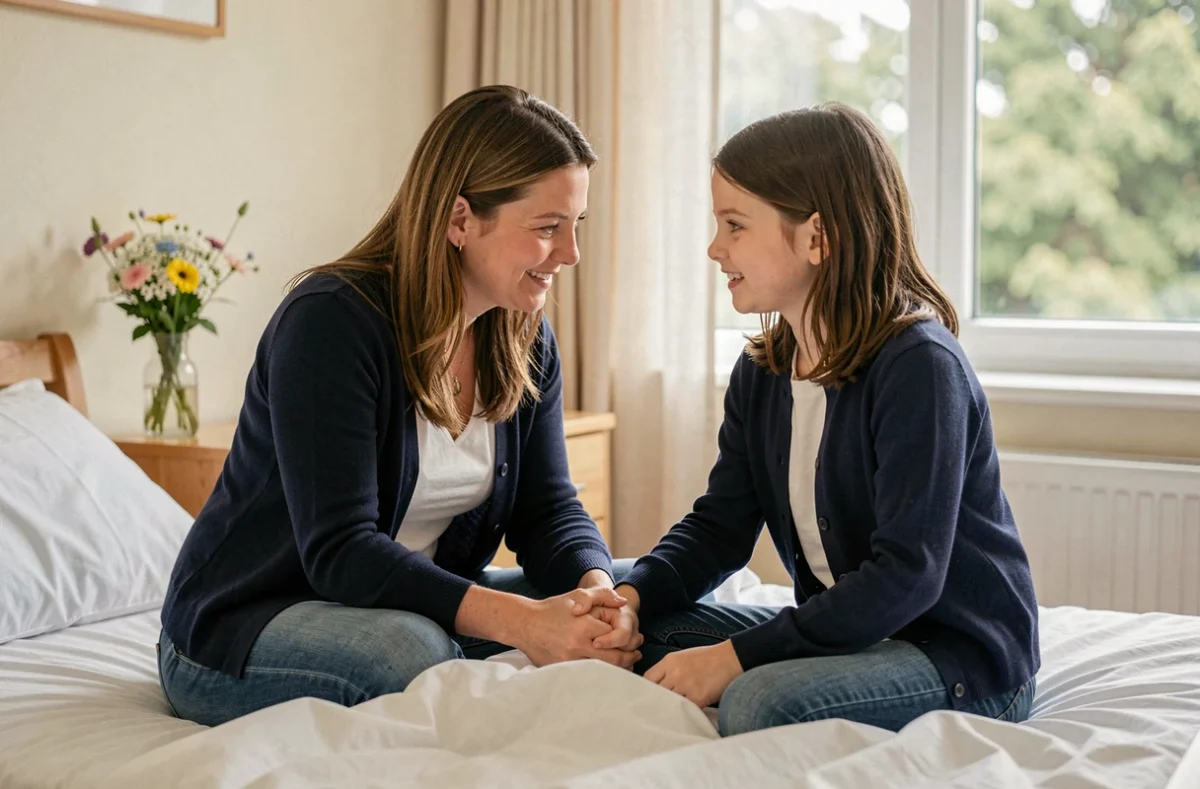
Serious illness in children generates complex emotions that younger ones do not always have the words to express. Helping a sick child verbalize their fears is an integral part of care. The SPARADRAP association has developed booklets like “I Have a Serious Illness… We Can Talk About It!”, designed to open dialogue between the child, their parents, and caregivers.
The approach favored by pediatric professionals is based on one principle: not to deny the child’s fear or frustration. These feelings must be expressed to be released. Procedures like lumbar punctures or MRIs provoke legitimate anxiety, and preparing for them in advance significantly reduces the painful experience.
Impact on Siblings and Family Surroundings
A child’s illness affects the entire family unit. Siblings often live in the shadow of the medical journey, feeling abandoned or guilty. Including siblings in the support process is a focus for several associations, which organize joint activities or dedicated support groups.
Parents themselves face cumulative exhaustion. Between trips to the hospital, administrative procedures, and managing daily life, the risk of isolation is real. Respite care programs, still insufficiently developed, are beginning to be structured at the territorial level.
Pediatric Cancer and Research: Current Status of National Monitoring
Pediatric oncology is subject to increasingly structured public monitoring in France. The 2026 report from the National Cancer Institute marks a milestone in evaluating care pathways. It details research perspectives and the challenges of access to innovative treatments for young patients with cancers or leukemias.
Funding for pediatric research remains a distinct issue from funding for adult research. Childhood cancers are rarer, making clinical trials more complex to implement. Associations play a complementary role to public funding by supporting targeted programs.
Acting for sick children is not limited to a one-time gesture. The interplay between social rights, associative engagement, psychological support, and research funding creates an ecosystem where every contribution finds its place. The next step for families and engaged citizens remains to inform themselves about existing mechanisms, as well-directed help produces a concrete effect where vague intentions dissipate.