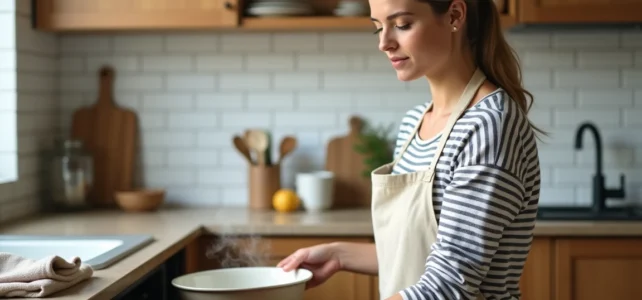
Steam cooking in the oven does not necessarily require a dedicated appliance. A traditional oven, with a few simple adjustments, can generate enough humidity in its cavity to alter the texture and cooking of your dishes. This method is ancient, used by bakers long before the advent of combi steam ovens, and it relies on a basic physical principle: heated water in a closed space produces steam.
Thermal shock and cracked enamel: the precaution to take above all else
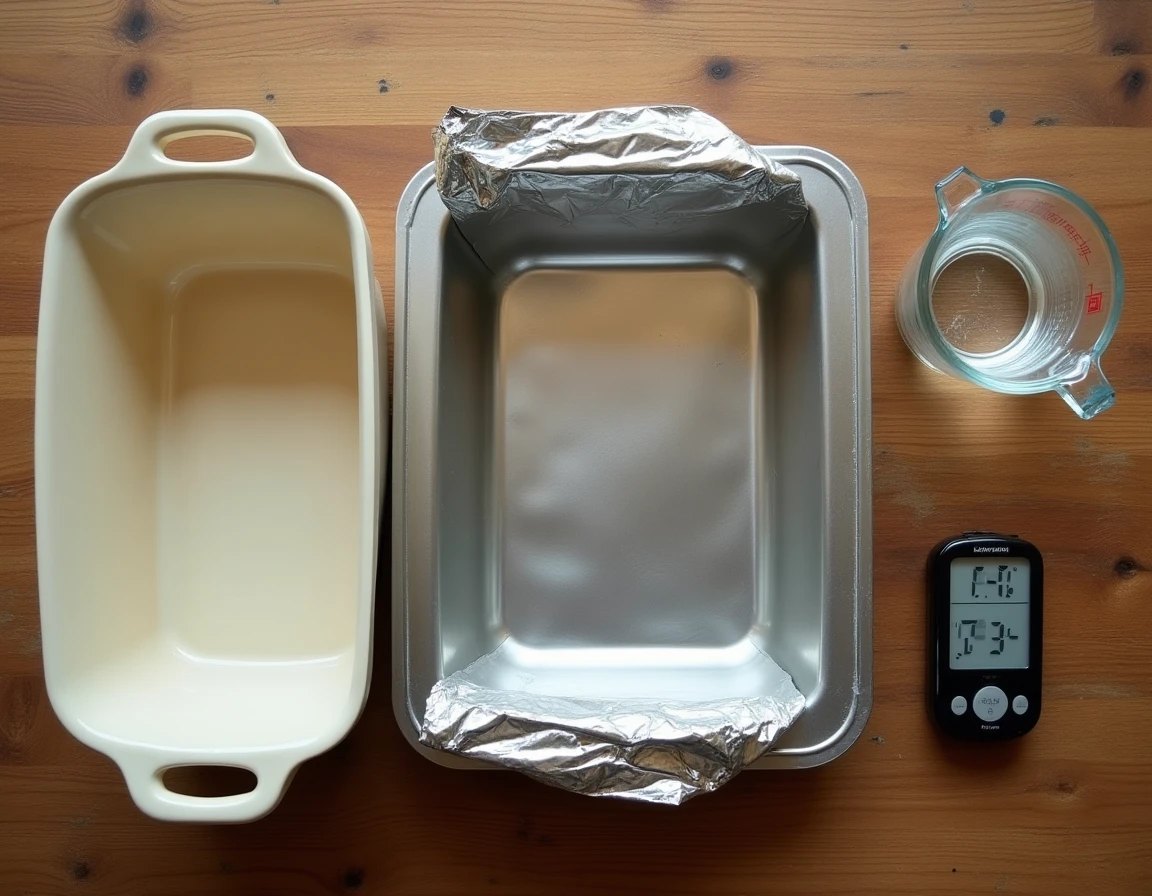
Before discussing techniques, a safety point that is often overlooked. Feedback from users and cooking experts reports cases of cracked enamel or door glass after a sudden addition of cold water onto a hot oven floor or an overheated cast iron dish. Recent ovens, better insulated and more powerful, are particularly susceptible to this phenomenon.
The solution is simple but non-negotiable: always use hot, even boiling water. Pour it into a container already placed in the oven, never directly onto the floor or walls. A cast iron or thick steel dish, preheated at the same time as the oven, withstands thermal shock much better than a glass or enameled ceramic dish.
This point conditions everything else. If you damage the enamel of your oven, the repair costs more than a standalone steam cooker. You will find detailed methods on steam cooking in a traditional oven with Cookinette, which also lists common mistakes to avoid.
Methods to create steam in a conventional oven

Three approaches stand out for their effectiveness and ease of implementation. None turn a traditional oven into a true high-pressure steam oven, but each significantly alters the atmosphere of the cavity.
- The low-water bath: a deep metal dish filled with hot water, placed on the floor or lower rack. The water gradually evaporates throughout the cooking process. This is the most stable and safest method, suitable for roasts, breads, and gratins that need a golden crust without drying out.
- Manual injection: you pour a glass of boiling water into a preheated cast iron dish, just after placing it in the oven. The release of steam is immediate and intense, but brief. This technique is suitable for the first few minutes of bread baking to achieve a crispy crust, not for long cooking.
- Ice cubes on a hot plate: a variant of injection, ice cubes melt more slowly and slightly prolong steam production. The downside: the thermal shock is more violent than with hot water. Reserve this method for thick steel trays, never on bare enamel.
The difference between these techniques lies in the duration and intensity of steam release. A water bath produces moderate humidity over a long period. Injection provides a sharp spike of steam that drops off within minutes.
Assisted steam oven or DIY: what technology really changes
Since 2023-2024, several consumer brands have marketed so-called “assisted steam” or “Steam Assist” ovens. These appliances remain traditional ovens but automatically inject small amounts of water via an integrated reservoir, without reaching the performance of a dedicated high-pressure steam oven.
The difference with the water dish method is real but not spectacular. An assisted steam oven controls the flow and timing of injection, which you cannot do by opening the door to pour water. Each door opening drops the temperature of the cavity and releases some of the accumulated steam.
In contrast, a combi steam oven or high-pressure oven operates on a different principle. It generates steam via a generator (internal or external to the cavity) and can exceed 100 °C in pressurized steam. Humidity is continuously regulated. No DIY trick replicates this level of control.
What DIY steam does well, and what it does not
Homemade steam excels for cooking that requires a burst of humidity at the beginning of cooking: bread, brioche, pâté crusts. It also works for long roasts, where the water bath prevents the meat from drying out on the surface.
It does not replace a steam oven for low-temperature cooking of vegetables, fish, or dishes requiring a constant humidity level. Some amateur cooks achieve satisfactory results with a water dish and a low-set oven, while others notice rapid drying as soon as the water amount decreases. The size of the cavity, the oven’s insulation, and the frequency of door openings largely explain these discrepancies.
Temperature and water management: the settings that matter
The settings of the traditional oven do not fundamentally change, but two parameters deserve special attention when you add steam.
Forced convection (fan-assisted heat) disperses steam faster than static heat mode. If your goal is to maintain a high humidity level in the cavity, prefer top-bottom heat without a fan. Convection remains useful if you are looking for a brief initial steam burst followed by dry cooking for browning.
The amount of water also makes a difference. Too little, and the effect is negligible. Too much, and the oven temperature drops as energy is absorbed by evaporation. For a water bath, a layer of hot water two to three centimeters deep in a standard dish is sufficient. You can top up during cooking without opening the door if you use a dish accessible from the lower drawer (when the oven has one).
Homemade steam does not turn a classic oven into a professional appliance. It corrects a structural flaw of dry heat cooking: surface drying. For bread, roasts, and certain pastries, a dish of hot water on the floor significantly alters the crust and texture, provided you follow the precautions regarding thermal shock and do not expect a humidity control that only a dedicated steam oven can offer.