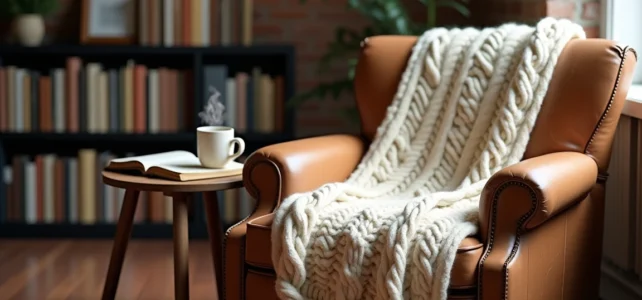
Transforming a house into a warm cocoon is no longer just about accumulating throws and candles. Recent approaches show a shift towards thermal comfort, the texture of materials, and a logic of well-being that goes beyond the living room. What criteria separate a truly cocooning interior from mere decorative accumulation?
Texture versus color: what really influences the cocooning atmosphere
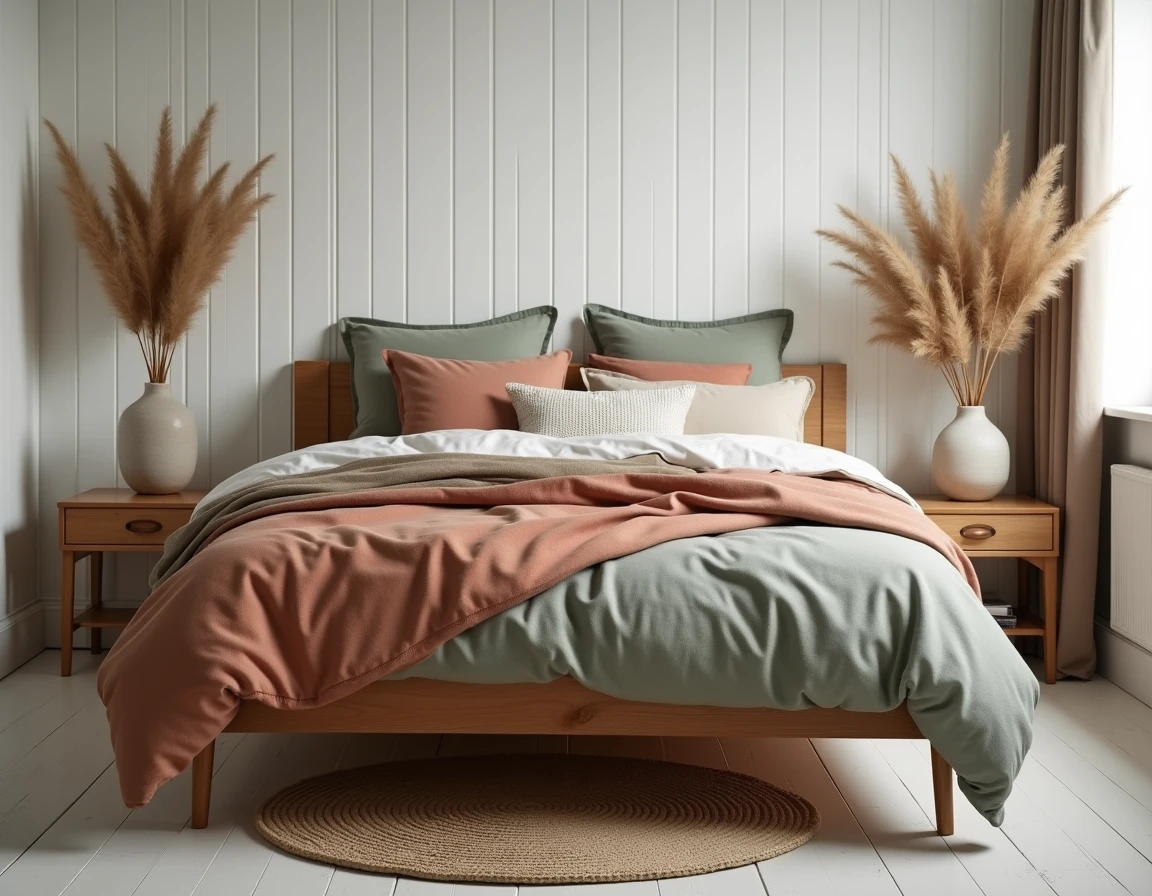
The latest decor content places more emphasis on materials than on color palettes. A wall painted in terracotta is not enough to make a room warm if the sofa is made of smooth polyester and the floor is cold tiles. Warmth is primarily built through touch, not just sight.
Raw wood, thick wool, crumpled linen, matte surfaces: these elements create a sensory experience that color alone cannot produce. An interior with white walls, a corduroy armchair, a jute rug, and solid oak shelves will feel more enveloping than a living room entirely painted in ochre but furnished with smooth and shiny surfaces.
For those looking to refresh their interiors piece by piece, it is possible to explore Niddou online to find elements that play on this tactile dimension.
| Lever | Impact on perceived comfort | Relative cost |
|---|---|---|
| Thick textiles (wool, velvet, linen) | High: alters the thermal and acoustic perception of the room | Moderate |
| Warm color palette | Medium: affects visual ambiance, little on physical comfort | Low |
| Flooring (wooden parquet, carpet) | High: direct and regular contact, sound insulation | High |
| Warm lighting (less than 3,000 K) | High: alters space perception and circadian rhythm | Low to moderate |
| Decorative accessories (candles, objects) | Low to medium: contributes to atmosphere without altering actual comfort | Low |
Lighting and thermal comfort: the two measurable parameters of a warm interior
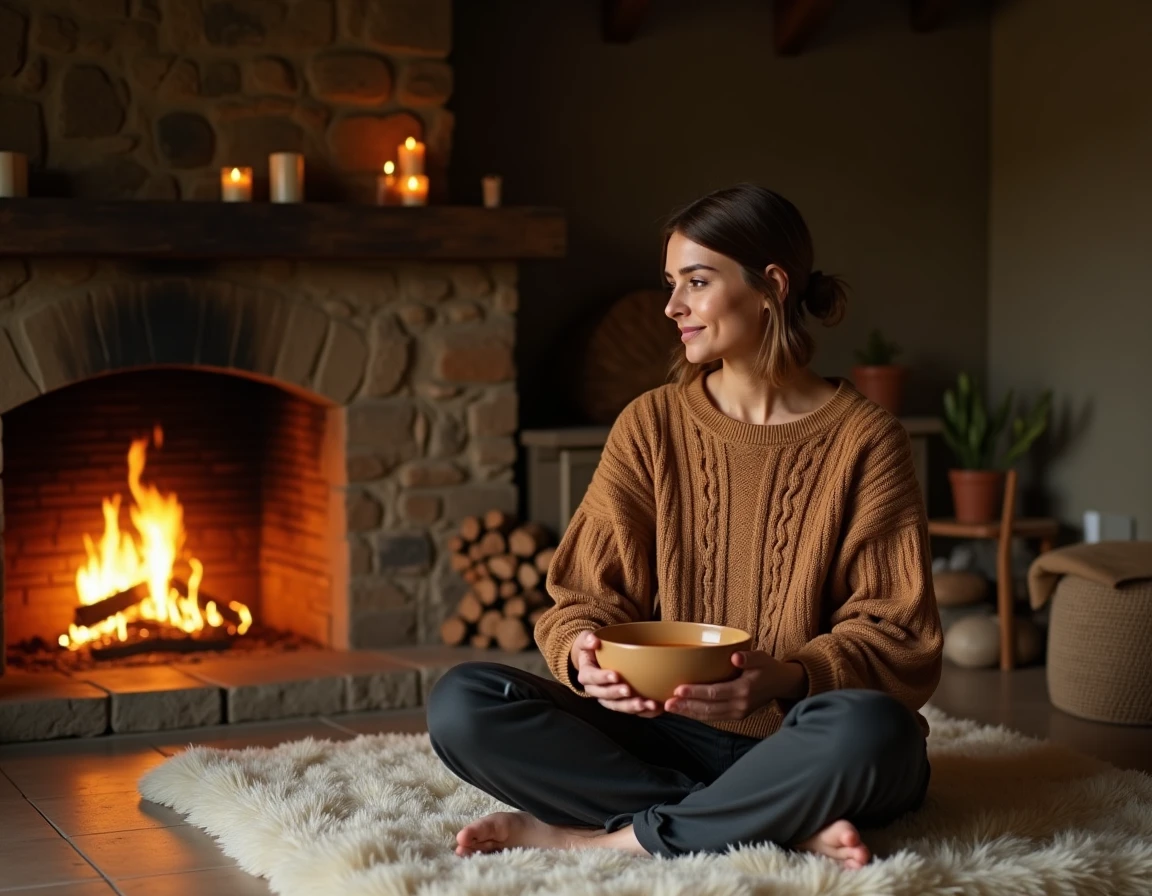
Light is the most underestimated lever of cocooning decor. Lighting above 4,000 K cancels out the effect of any throw. Cold light bulbs, typical of workspaces, create a clinical atmosphere that neither cushions nor rugs can compensate for.
The most effective approach combines multiple light sources with variable intensity. A natural fiber floor lamp next to an armchair, a discreet garland along a shelf, a bedside lamp with a fabric shade: these multiple light points effectively replace a single ceiling light.
Thermal comfort, the forgotten angle of cozy decor
Decor articles rarely discuss temperature. Cocooning shifts from purely decorative to measurable thermal comfort. A drafty living room with a cashmere throw remains a cold living room. Before investing in accessories, checking window insulation and heating regulation has a more lasting effect on daily well-being.
Thick linen or velvet curtains play a dual role: they filter light and reduce thermal loss. This is a typical example of a choice that combines aesthetics and real comfort, far from mere accumulation of objects.
Forgotten rooms: entryway, office, and bathroom in the cocoon logic
The majority of cocooning decor guides focus on the living room and bedroom. More recent approaches extend this logic to long-neglected spaces.
- The entryway sets the tone for the entire house. A wooden bench with a cushion, a natural material coat rack, and soft lighting transform a functional hallway into a decompression area.
- The home office, now a separate room for many, gains comfort with a cozy armchair, a rug under the desk, and a table lamp with warm light.
- The bathroom is particularly suited to natural materials: a teak stool, thick cotton towels, and a wicker basket effortlessly replace plastic accessories.
This extension of cocooning to the entire house reflects a need for coherence. A perfectly arranged living room loses its effect if the rest of the home remains impersonal.
Sustainable decor versus seasonal decor: a choice that structures the space
The cocooning trend leans towards timeless pieces rather than seasonal purchases renewed every autumn. A reclaimed solid wood piece ages better than a chipboard shelf bought for trend.
Natural materials (wood, stone, wool, linen, rattan) share a characteristic: they patina instead of degrading. A wicker basket or a walnut table gains character over time. In contrast, synthetic accessories quickly lose their original appearance.
How to decide between durable pieces and renewable accessories
The most coherent approach is to set structural elements (furniture, coverings, main lighting) in lasting materials, then to modulate the ambiance with easily replaceable textiles: cushion covers, throws, light curtains. This distribution allows for renewing the atmosphere of a room without starting from scratch.
- Structural (long-term investment): durable fabric sofa, wooden table, flooring, fixed lighting
- Modulable (easy renewal): cushions, candles, small decorative objects, plants
- Intermediate: rugs, thick curtains, mirrors, which last but can be changed without renovations
The search for warmth in an interior relies less on accumulation than on the coherence between textures, light, and actual physical comfort. A space where each element has been chosen for its material and function creates a sense of enveloping that superficial decoration cannot replicate.