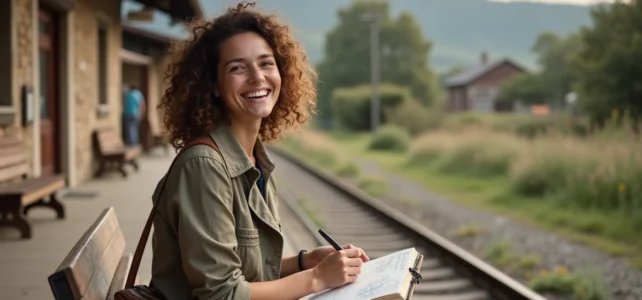
A French passport allows visa-free access to over 180 countries, but less than 20% of its holders cross borders each year. Classic itineraries concentrate the majority of tourist flows while alternatives emerge, driven by hospitality networks or shared mobility platforms.
The travel landscape is changing. Some regions are setting quotas or restricting access to preserve their identity, while others are betting on long layovers and local hospitality. On one hand, marked paths provide reassurance, while on the other, less-traveled roads invite adventure. Between radical newness and a return to simple gestures, each traveler shapes their own course.
Why traveling differently is increasingly appealing to enthusiasts
The frustration with crowds and standardized tours is pushing a new generation to seek something else. Stepping away from saturated places, prioritizing exchange, rediscovering the taste of true sharing: this is what drives these travelers in search of authenticity. Staying with locals, sharing a meal, learning a craft or a traditional skill: these are all ways to reconnect with the essentials, to give meaning to the journey. Travel is no longer limited to a backdrop or a photo; it becomes a story of humanity.
This movement is evident in the narratives. Those who engage in responsible travel, who adopt environmentally respectful practices, tell a different relationship with the world. Choosing the train or bike, supporting a small inn or a local eatery, limiting one’s impact, is already a concrete step. And France, with its forgotten villages and preserved landscapes, is wonderfully suited for this rediscovery.
Blogs and specialized guides contribute to this dynamic. They provide advice, feedback, and tips to redefine travel. For those who want to go further, visiting the Mamzelle Voyage website offers a panorama of ideas, practices, and unique stories to explore differently. You can find ideas to reconnect with authentic tourism, attentive to others as well as to the environment.
What destinations and experiences truly go off the beaten path?
For those who want to escape the crowds, France holds many surprises. From the Plateau de Millevaches to the secret villages of Limousin, one discovers corners where tranquility reigns. The Jura and Franche-Comté unfold their forests for hikers, the curious, or wildlife lovers. The gorges of Tarn and Verdon attract athletes, contemplatives, and those seeking raw beauty.
But escape also comes through culture. Exploring Alsace away from the Christmas markets, venturing into the fortified towns of the Basque Country, is to dive into unique stories and flavors. And for those aiming further, the confidential Sri Lanka, rural Madagascar, or Seychelles off the beaten track reveal other worlds, far from clichés.
More than a backdrop, it is the encounter that gives meaning to the journey. A shared lunch in a Provence home, a traditional festival in Brittany, learning an art or a craft in a community in Africa or South America: these moments remain etched in memory. Micro-adventures in France, the vastness of Iceland, or the Faroe Islands, remind us that wonder does not necessarily await at the other end of the world, but rather a true openness to novelty.
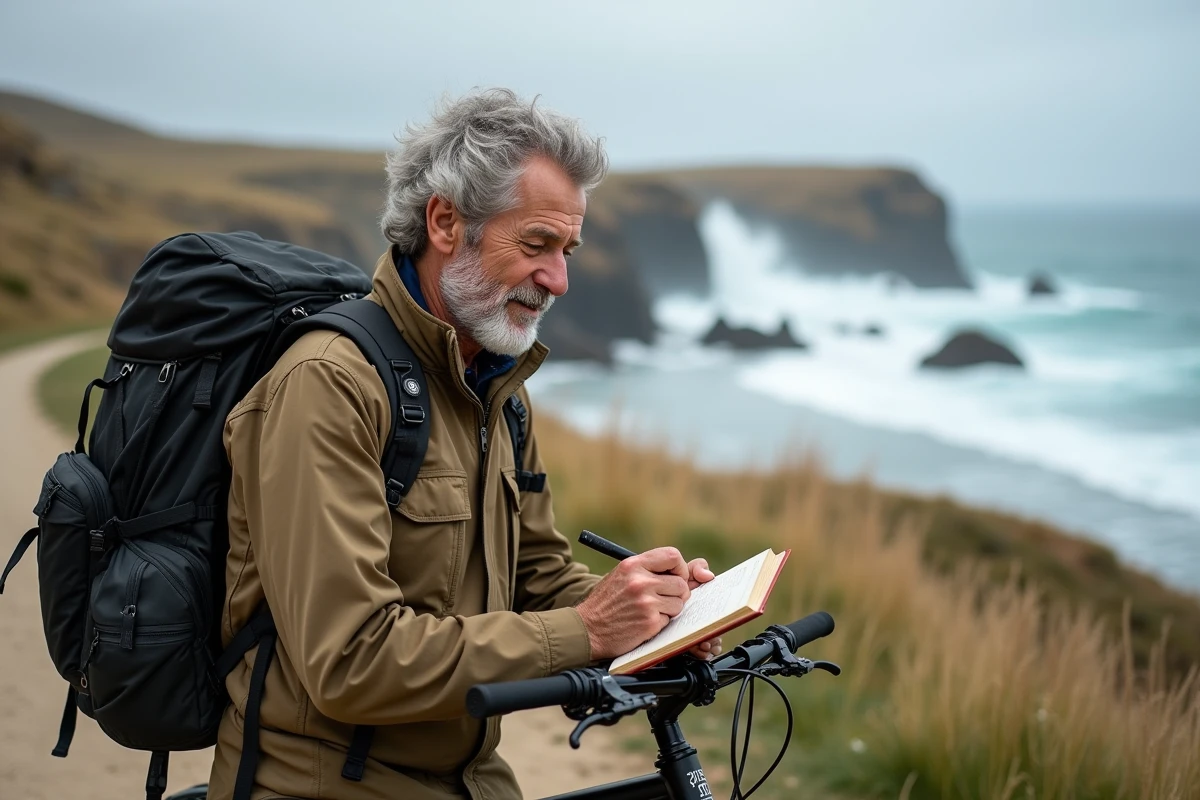
Inspiring stories and practical tips to prepare your next adventure
The travel blog becomes a valuable ally for those wanting to rethink their way of traveling. Vanessa Martin, photographer and painter, shares her itineraries from van travel to nearby micro-adventures. Her notebook is full of concrete ideas: how to organize a road trip, test a walking trip, or engage in a zero carbon travel approach.
Guides and books, like those by Astrid Duvillard, offer a different perspective on escape. Taking a sabbatical, trying for a working holiday visa, is giving oneself the time to understand a country, adopt its rhythm, and be surprised. Traveling light also means choosing an appropriate backpack, thinking about autonomy and simplicity, preferring the necessary to the accessory.
Some simple tips allow for a different approach to travel:
- Prepare your itineraries using local maps and the testimonies of those who travel off the beaten path.
- Select accommodations with locals to encourage human encounters and cultural immersion.
- Explore France on foot, by train, or by bike to reduce your environmental impact.
- Consult practical guides to anticipate equipment, formalities, and the best time to go.
The micro-adventure appeals to those who want to combine freedom, encounters, and respect for the territory. Listen to the voices of those who tell stories differently, draw inspiration, and then invent your own path. After all, every journey reinvents the world in its own way.