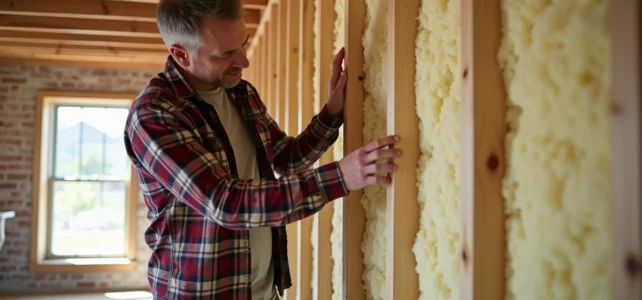
Poorly installed insulation can increase energy bills, even after significant work has been done. Some techniques, although widely used, prove unsuitable for certain types of buildings. Others, more recent, remain underutilized despite offering superior performance.
Regulations are regularly evolving and now impose strict requirements during any renovation. Targeted financial aid exists, but obtaining it depends on specific and sometimes unknown criteria. Every choice of material or method directly affects thermal comfort, durability, and budget.
Understanding the stakes of thermal insulation for a more comfortable and economical home
Renovating a home’s insulation is not just about ticking a box on the work list: it’s about rethinking the household’s priorities, enhancing the quality of life, and adding real value to the property. When heat escapes through the roof or walls, bills rise and comfort plummets. According to energy performance diagnostics (DPE), the roof allows nearly a third of heat to escape, walls let out a quarter, and windows also significantly contribute to these losses. Identifying these weaknesses, these invisible thermal bridges, is the first step before deciding where to act first.
Energy performance does not solely rely on the thickness of the insulation. Ventilation, moisture management, and material quality: every parameter counts. An old, poorly insulated home often requires a comprehensive approach, while a newer building may only need targeted adjustments. Improving the thermal resistance of walls, tracking drafts, and choosing materials wisely: this is how to sustainably influence energy consumption and daily well-being.
For those looking to go further, resources are available. The page https://habitatsolutions.fr/ (Habitat Solutions – Solutions for your home) gathers useful advice on optimizing insulation and energy renovation. Taking the time to inform oneself is already laying the first stone for a more comfortable, economical home that meets current standards.
Which solutions to choose? Insulation techniques and materials suited to every need
To undertake effective insulation work, the methods used must first align with the building’s structure. Walls, for example, can be insulated in two main ways: from the inside or the outside. Internal insulation (ITI), the most common, involves installing panels, often made of glass wool or rock wool, just behind the interior finishes. Convenient for not touching the facade, but it sometimes leaves certain thermal bridges intact. External insulation (ITE), on the other hand, provides a true coat for the house, reduces losses, but alters the building’s appearance.
The roof remains the main weak point: up to 30% of heat is lost there. For attics, the most common solutions are rolls or panels of mineral wool. However, the use of bio-based materials, such as wood fiber or cellulose wadding, is gaining ground. These materials meet both performance requirements and ecological concerns.
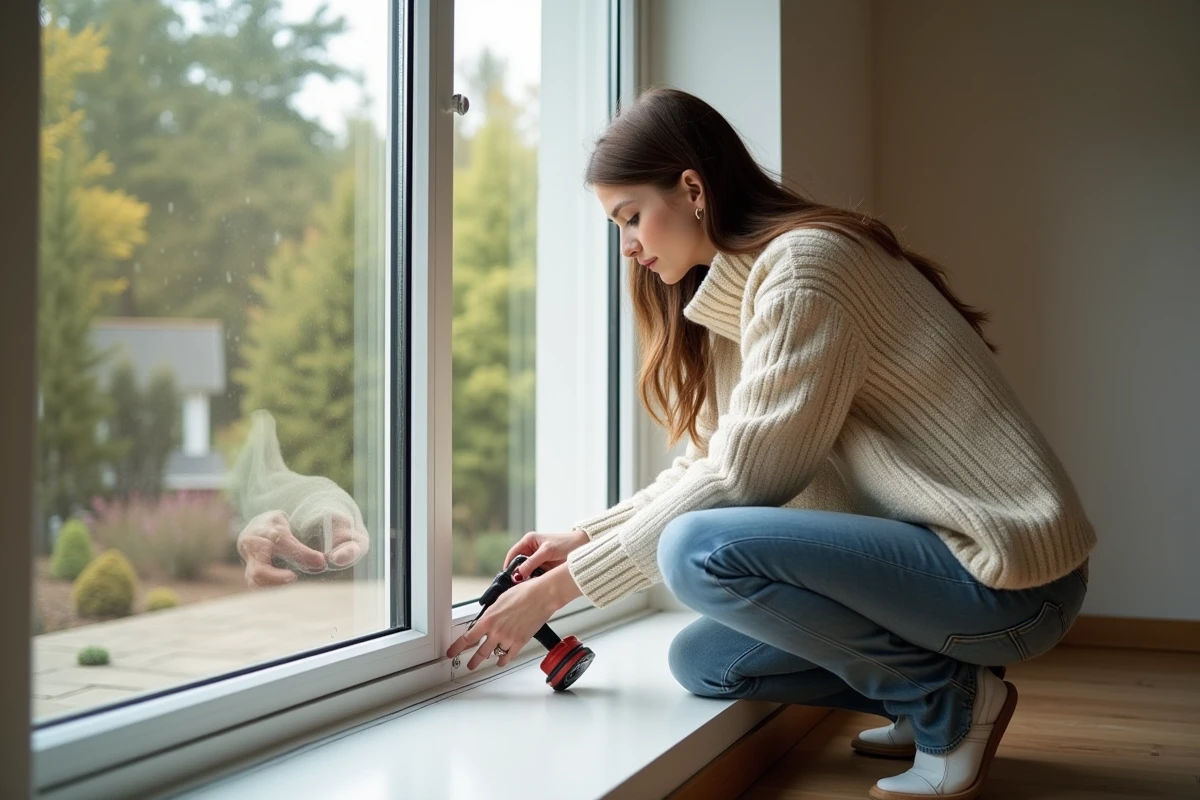
Windows deserve special attention. Installing double or triple glazing, combined with efficient frames, limits heat loss. But without proper ventilation, beware of condensation! The installation of a controlled mechanical ventilation (VMC) system becomes essential to maintain air quality and the durability of materials.
The choice of the right insulation will depend each time on the support, climate, and expectations. To make the right choice, inform yourself about the characteristics of the materials, compare techniques, and adapt each solution to your project and the configuration of your home.
Successful energy renovation: key steps, financial aid, and tips to take action
Before starting work, it is wise to begin with an energy performance diagnosis (DPE). This assessment provides a clear view of weaknesses, prioritizes interventions, and allows targeting what will yield the most results: attics, walls, heating systems.
To ensure the quality of each step, hire a RGE (Recognized Environmental Guarantee) craftsman. This label is essential to qualify for various financial aids. Several schemes exist to lighten the bill:
- MaPrimeRénov’, accessible to all homeowners, with amounts varying based on resources and the nature of the work done.
- Zero-interest eco-loan (Éco-PTZ): an interest-free loan to finance the overall energy renovation of the home.
- Energy savings certificates (CEE): bonuses awarded under certain conditions by energy suppliers, based on the savings achieved.
- Reduced VAT at 5.5% on labor and materials related to energy improvement.
To ease the financial burden of insulation work, consider combining these aids and seeking advice from qualified professionals. Their expertise will help refine your project, select the most suitable heating system, and effectively coordinate all interventions. Giving yourself every chance to succeed in your energy renovation ensures a more efficient, pleasant living space, ready to face both upcoming winters and summers.